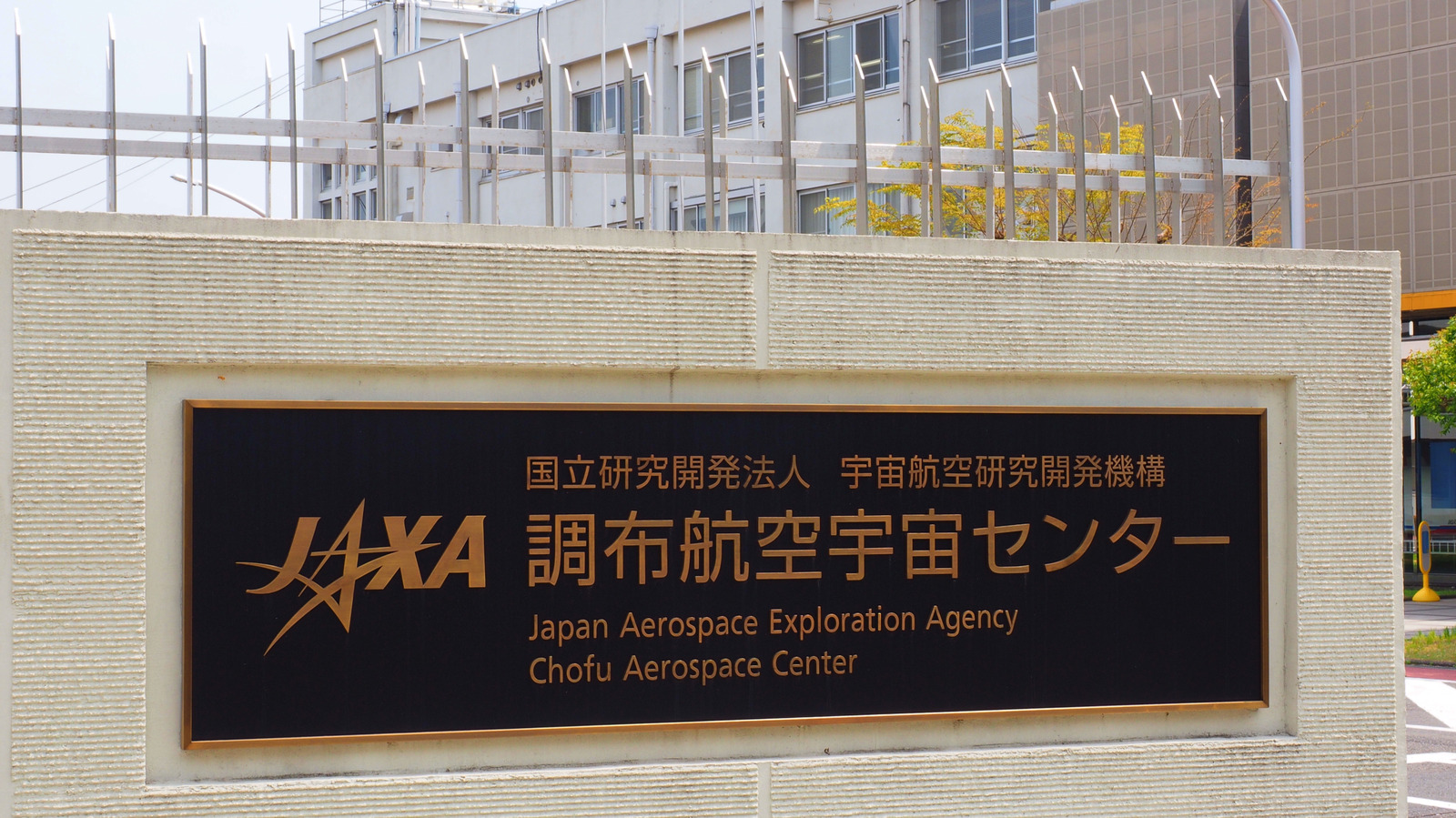
A successful Japanese trial of a ramjet engine designed for Mach‑5 aircraft
Imagine traversing the vast Pacific Ocean, from the bustling metropolis of Tokyo to the vibrant shores of Los Angeles, in a mere two hours. This once-futuristic dream is rapidly hurtling towards reality, thanks to a groundbreaking achievement by Japanese aerospace engineers. On April 16, 2026, the...
A successful Japanese trial of a ramjet engine designed for Mach‑5 aircraft
Imagine traversing the vast Pacific Ocean, from the bustling metropolis of Tokyo to the vibrant shores of Los Angeles, in a mere two hours. This once-futuristic dream is rapidly hurtling towards reality, thanks to a groundbreaking achievement by Japanese aerospace engineers. On April 16, 2026, the Japan Aerospace Exploration Agency (JAXA), in a collaborative effort with leading academic institutions, successfully completed a critical ground combustion trial of a ramjet engine designed for Mach-5 hypersonic flight.
This pivotal test, conducted at JAXA's Kakuda Space Center in Miyagi Prefecture, marks a significant leap forward in the global race for ultra-high-speed air travel. The experimental aircraft, roughly two meters long, endured simulated flight conditions at an astounding five times the speed of sound and an altitude of approximately 25 kilometers (nearly 80,000 feet) – almost double the cruising height of conventional airliners. Crucially, the trial validated the aircraft's advanced heat-shielding, control surfaces, and the performance of its hydrogen-fueled ramjet engine under extreme temperatures exceeding 1,000°C (1,832°F).
The Breakthrough: Japan's Hypersonic Ambition Takes Flight
The successful ground test is a testament to years of dedicated research and development, a project that has been underway since 2013. JAXA partnered with academic powerhouses including Waseda University, the University of Tokyo, and Keio University to push the boundaries of propulsion technology. Their collective efforts focused on developing an engine capable of sustained flight at Mach 5, a speed where conventional jet engines falter due to the immense aerodynamic forces and thermal loads involved. The validation of the thermal protection system was particularly critical, as it successfully maintained near-normal internal temperatures, ensuring the proper functioning of onboard avionics and control electronics amidst the searing external heat.
Unpacking the Ramjet Advantage
At the heart of this achievement lies the ramjet engine, a marvel of aerospace engineering designed for high-speed atmospheric flight. Unlike turbojet engines, which use rotating compressor blades to compress incoming air, a ramjet leverages the aircraft's own rapid forward motion to "ram" and compress the air before it enters the combustion chamber. This elegant design eliminates the need for heavy, complex moving parts like compressors and turbines, making ramjets lighter and simpler, and ideally suited for sustained supersonic and hypersonic speeds, typically between Mach 2 and Mach 6. However, a key characteristic of ramjets is their inability to produce thrust from a standstill; they require an initial propulsion system, such as a rocket booster, to accelerate them to operational speeds.
The Japanese team's use of a hydrogen-fueled ramjet also highlights a forward-thinking approach, not only in performance but also in environmental considerations. Researchers meticulously measured exhaust temperature distribution to gather data on the potential environmental impact of future hypersonic propulsion systems, signaling a commitment to sustainable innovation.
A New Era of Global Connectivity and Defense
The implications of Japan's ramjet success extend far beyond the laboratory. The ultimate vision is to launch commercial hypersonic passenger services by the 2040s, drastically cutting intercontinental travel times. A flight from Tokyo to Los Angeles, currently a grueling 10-hour journey, could be condensed to a mere two hours. This transformative potential could redefine global business, tourism, and personal connections, making distant continents feel like neighboring cities.
Beyond commercial applications, hypersonic technology holds immense strategic importance. Nations worldwide, including the United States, China, and Russia, are heavily investing in hypersonic capabilities for both military and civilian purposes. Russia has already deployed operational hypersonic missiles like the Kinzhal, Avangard, and Zircon, while China has fielded systems such as the DF-17 and YJ-21. The U.S. also has active programs, including the Conventional Prompt Strike (CPS) and Long Range Hypersonic Weapon (LRHW) initiatives, with Japan and the U.S. even collaborating on a hypersonic missile interceptor. Japan's advancements in sustained hypersonic flight could therefore bolster its position in this critical technological domain, offering potential dual-use applications that enhance both national security and economic competitiveness.
The Road Ahead: Overcoming Hypersonic Hurdles
While the ground test is a monumental step, the journey to operational hypersonic flight is still fraught with complex challenges. The next immediate phase for JAXA involves mounting the experimental vehicle on a sounding rocket to attempt a genuine Mach 5 flight demonstration.
One of the most formidable obstacles remains managing the extreme aerodynamic heating generated at Mach 5 and beyond. Aircraft surfaces can reach temperatures exceeding 1,650°C (3,000°F), requiring the development of advanced materials like carbon-carbon composites, ultra-high-temperature ceramics, and custom nickel alloys that can withstand such intense conditions without melting or degrading. The friction and compression of air at these speeds can also lead to chemical reactions and ionization of atmospheric gases, further complicating material science and thermal management.
Furthermore, maintaining stable control and ensuring fuel efficiency at hypersonic velocities present significant engineering puzzles. Ramjets, while efficient up to Mach 6, become less so above Mach 5, often necessitating the transition to more advanced supersonic combustion ramjets (scramjets) for even higher speeds. The economic viability of such high-speed travel, including the cost of development, manufacturing, and operation, also needs to be carefully considered to avoid the fate of past supersonic endeavors like the Concorde, which, despite its technological prowess, faced commercial limitations.
Japan's Strategic Push in the Hypersonic Race
Japan's consistent investment in advanced aerospace research underscores its strategic commitment to maintaining a leading edge in technology. This ramjet success is not an isolated event but part of a broader national effort to explore the frontiers of flight and space transportation. The long-term vision articulated by JAXA includes not only commercial hypersonic passenger aircraft but also spaceplanes capable of ascending to near-space altitudes, leveraging the same propulsion and thermal-management technologies.
This latest achievement positions Japan as a serious contender in the burgeoning hypersonic age, promising a future where geographical distances are dramatically compressed, and the possibilities of both rapid global travel and accessible spaceflight draw ever closer. The successful ground trial of this Mach-5 ramjet engine is more than just an engineering feat; it's a powerful signal that the next revolution in air travel is firmly on the horizon, with Japan at the forefront of its realization.
📰Originally published at bgr.com
Staff Writer